Pressure Sensors
Open Monday - Thursday 8:30 - 17:00 | Friday 8:30 - 16:00

Free UK Shipping For Orders Over £50
Worldwide Shipping
Technical Support
Pressure Sensors
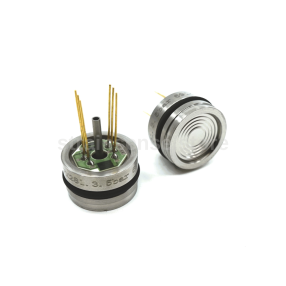
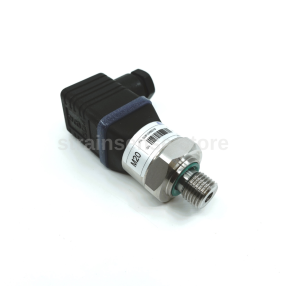
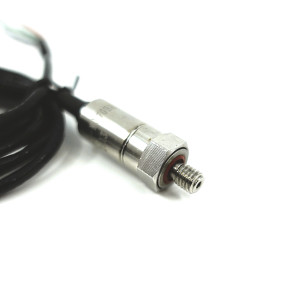
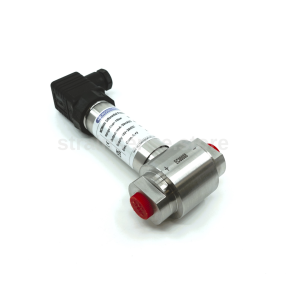
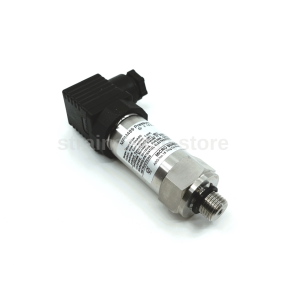
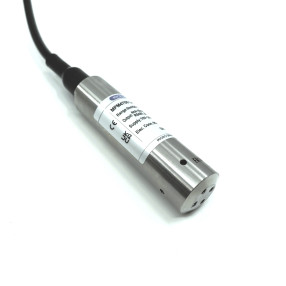
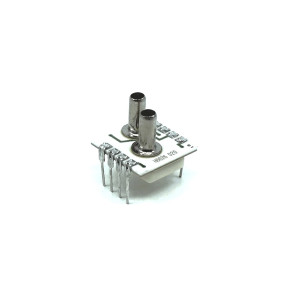
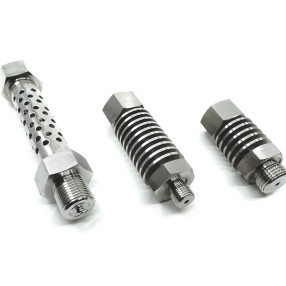
Looking to buy pressure transmitters or sensors for industrial or OEM applications? StrainSense offers a comprehensive range of pressure transducers, transmitters, and sensing elements to suit a wide variety of system requirements. Pressure transducers provide a mV output and are available in many integrated package formats — including differential pressure, heavy duty, and miniature configurations — with absolute or gauge pressure references. These products are capable of measuring atmospheric pressure, vacuum, and compound ranges depending on your application. Pressure transmitters offer amplified outputs and are equally available in absolute, compound, and gauge pressure references. Our industrial pressure sensors cover differential pressure measurement, heavy duty stainless steel designs, and a wide range of applied pressure ratings in PSI, bar, and kPa — suitable for both mechanical and industrial environments. For OEM projects, we provide technical solutions including high-temperature protection, dynamic transducer configurations, and quality board-mounted sensing elements. Our packaged transducers support applications across Marine, ATEX, IECEx, Mining, Aerospace, Flight Testing, Food & Beverage, Automation, Test Benches, and beyond. We also support gas and level monitoring in specialist environments, including management systems where required. Our range spans multiple pressure sensor technologies — CVD, Thin Film, Piezoresistive, Bonded Foil, and Silicon on Sapphire - each with distinct performance characteristics to match your application. The range also includes piezoelectric pressure sensors for dynamic and high-frequency measurement, pressure switches, and power-sensitive designs for efficient integration into monitoring systems. Every product is engineered to meet specific industry demands, using advanced sensing technology including strain gauge options, to deliver accurate, reliable performance under pressure.
Frequently Asked Questions
A position sensor is a device used to measure the linear or angular position of an object and convert that movement into an electrical signal. Position sensors provide accurate feedback for monitoring, control, and automation systems across a wide range of industries, including manufacturing, automotive, aerospace, robotics, hydraulics, and test and measurement. Depending on the application, they can measure either absolute position or relative displacement and are available with analogue or digital outputs.
The best position sensor depends on your application's measurement range, required accuracy, operating environment, and output signal. For example:
If you're unsure which technology is best for your application, our technical team can help you select the most suitable sensor based on your measurement requirements and operating conditions.
Selecting the right position sensor depends on several factors, including the required measurement range, accuracy, operating environment, mounting arrangement, and electrical output. Consider whether you need to measure linear or rotary movement, whether contact or non-contact sensing is preferred, and whether the application requires analogue or digital output signals. Environmental factors such as vibration, moisture, temperature, and dust should also be considered to ensure reliable long-term performance. If you are unsure which sensor is best suited to your application, the StrainSense technical team can provide guidance.
Position sensors are used wherever accurate movement or displacement measurement is required. Common applications include industrial automation, hydraulic cylinders, factory machinery, robotics, automotive testing, aerospace systems, construction equipment, medical devices, material handling equipment, and research and development. They are commonly used for position feedback, motion control, machine safety, quality inspection, and process monitoring where precision and reliability are essential.
Yes. Many position sensors are designed specifically for demanding industrial environments. Depending on the model, they may feature sealed housings, anti-vibration mounting, corrosion-resistant materials, high-temperature components, and high ingress protection (IP) ratings to protect against dust and moisture. Selecting a sensor with the appropriate environmental protection helps ensure accurate measurements, reliable operation, and a long service life, even in challenging operating conditions.
There are several types of position sensors, each designed for different measurement requirements. The most common types include:
The most suitable position sensor depends on factors such as the required measurement range, accuracy, operating environment, installation constraints, and the type of output needed for your application.